From the annals of history to the pages of an acclaimed manga, the name Canute evokes images of immense power, profound philosophy, and a relentless pursuit of order. Whether we examine the formidable historical King Canute the Great or the enigmatic Prince Canute from Vinland Saga, both figures offer a compelling exploration of what it means to wield true power—not just militarily, but intellectually and existentially. This hub will guide you through the multifaceted layers of Canute's influence, thought, and legacy, inviting you to delve deeper into the essence of his reign and his revolutionary mind.
The Monarch Who Forged an Empire: Unpacking the Historical Canute
Before we explore the philosophical depths of his fictional counterpart, it’s crucial to understand the formidable historical figure who inspired it all. King Canute the Great was a force of nature, a Viking king who didn't just conquer, but meticulously built one of the most powerful and well-governed empires of his time. His reign marked a pivotal era, shaping the political landscape of Northern Europe.
To truly grasp the scope of his achievements, it's worth exploring in detail. Born into Viking royalty, Canute inherited a drive for dominance that led him to forge an Anglo-Scandinavian "North Sea Empire." This vast domain, spanning across kingdoms, required not just military might but unparalleled political acumen and strategic thinking. You can learn more about and how he managed such a diverse collection of territories, from England to Denmark and Norway.
Beyond the Crown: Canute's Humility and Divine Power
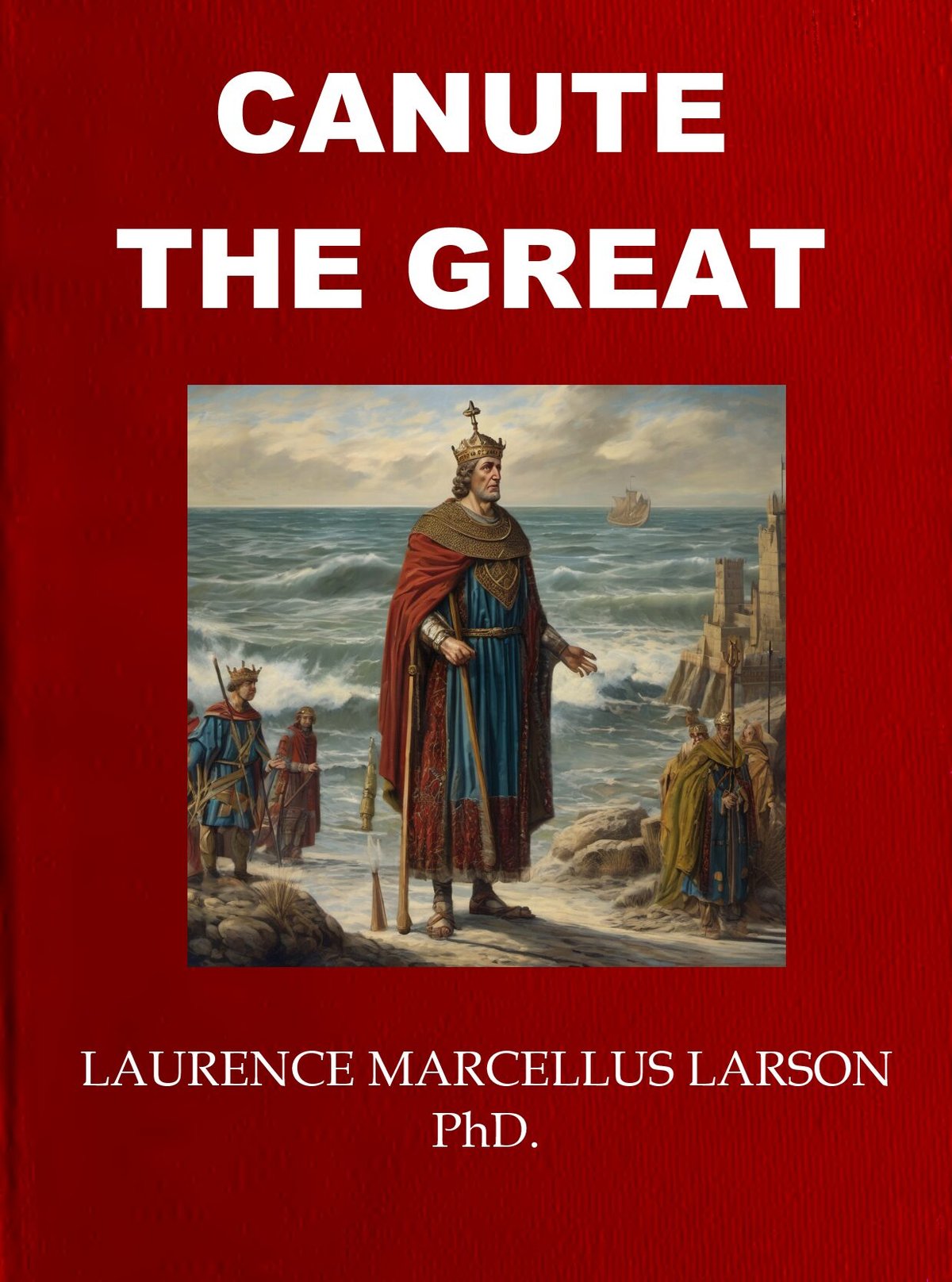
Perhaps the most famous story associated with the historical Canute isn't about conquest, but humility. The legend of King Canute commanding the tides to retreat serves as a powerful testament to his wisdom and his understanding of ultimate power. Far from an act of hubris, this incident was a public demonstration to his sycophantic courtiers that even the mightiest king is powerless before God.
This tale eloquently illustrates Canute's deep piety and his recognition that all earthly power is temporary and subject to a higher authority. It's a foundational story for understanding the monarch's character, highlighting his strategic use of symbolism to educate his court. For a fascinating look into its origins and meaning, immerse yourself in and discover why this anecdote has resonated for centuries.
The Philosopher King: Decoding Canute from Vinland Saga
In Makoto Yukimura's Vinland Saga, the character of Prince Canute takes the historical figure's gravitas and infuses it with a profound, almost terrifying, existential journey. This Canute begins as a timid, sheltered prince, starkly different from the warrior king he is destined to become. His evolution is one of the most compelling arcs in modern storytelling, forcing both him and the reader to confront difficult questions about humanity, morality, and the nature of paradise.
Understanding is essential to appreciating the monumental transformation he undergoes. His initial meekness stands in stark contrast to his later resolve, often influenced by the figures around him. One of the most significant relationships that shaped his path was with his protector, Ragnar. The complexities of lay the groundwork for the prince's eventual awakening, providing him with a father figure whose loss would shatter his world.
The Spark of Rebellion: Canute's Existential Awakening
The death of Ragnar, his surrogate father and moral compass, plunges Canute into a harrowing . This pivotal moment forces him to confront the suffering of humanity and the apparent indifference of a divine creator. Like Ivan Karamazov from Dostoevsky's classic, Canute grapples with why a benevolent God would permit such weakness and sin, leading him to a radical conclusion.
His spiritual turmoil doesn't lead to atheism, but rather a reinterpretation of faith and duty. Canute's journey explores , as he questions conventional religious doctrine and seeks a more tangible path to salvation. He decides that if true Heaven is unreachable for weak mortals, he will use his own will to create it on Earth.
Forging Paradise: Canute's Revolutionary Philosophy of Power
This revolutionary thought culminates in . He believes that by unifying humanity under a single, unwavering purpose—a world free from war and suffering—he can usher in a new era. However, the path to this paradise is fraught with moral compromises, as he states his intent to "give meaning" to battle, even through force.
This profound shift in perspective gives rise to . He begins to see violence and control not as ends in themselves, but as necessary tools to achieve a greater, peaceful future. His willingness to sacrifice individual lives and freedoms for the collective good raises challenging ethical questions, positioning him as a figure who, despite his noble intentions, teeters on the edge of tyranny.
The Enduring Resonance of Canute's Legacy
Both the historical monarch and the Vinland Saga character challenge our understanding of leadership, faith, and the true cost of power. From the practicalities of empire-building to the deepest philosophical debates about human nature and divine purpose, Canute's story continues to provoke thought and discussion. The choices he made, whether real or imagined, cast a long shadow, forcing us to consider what compromises are acceptable in the pursuit of a better world.
Ultimately, delving into offers a rich tapestry of historical achievement and profound fictional exploration. His story serves as a timeless reminder that true power isn't merely about holding a crown, but about shaping destinies, challenging beliefs, and forever altering the course of history and human thought.